


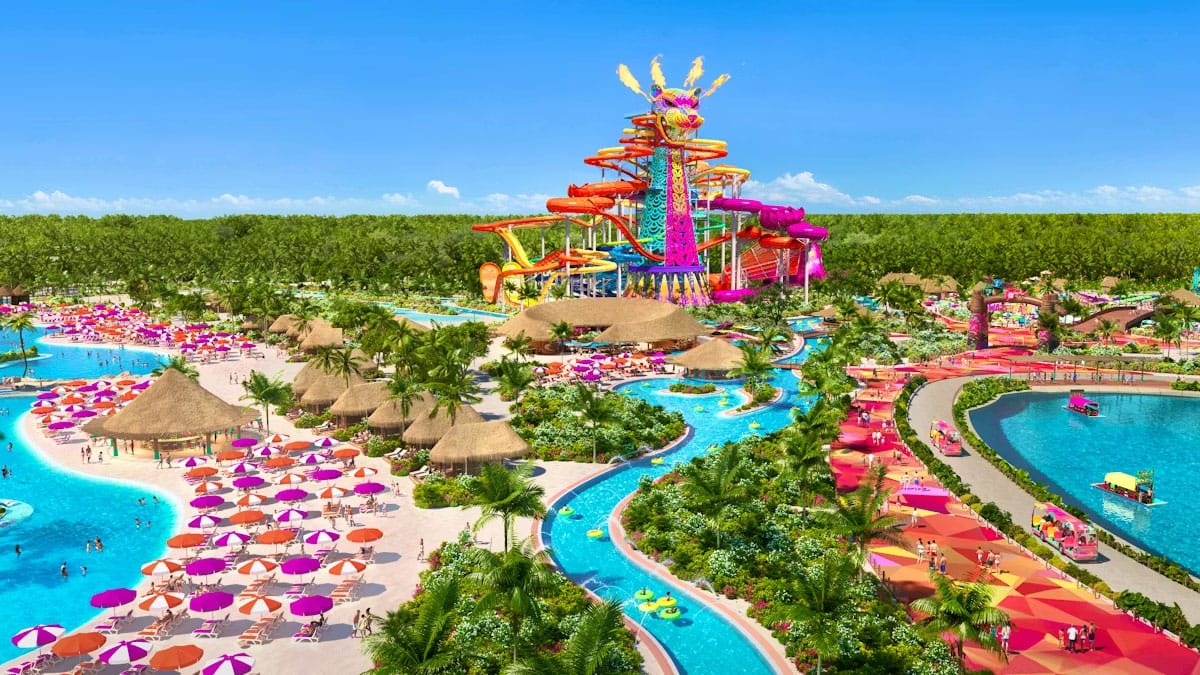
Mexico's environment ministry has formally blocked Royal Caribbean's Perfect Day Mexico project, the planned 230-acre private waterpark destination that was supposed to anchor the small port village of Mahahual by 2027. Environment minister Alicia Bárcena announced the rejection on May 19, citing damage to coastal mangroves and the Mesoamerican Reef. A Change.org petition signed by more than 4.6 million people helped tip the scales.
The numbers cancelled here are not small. Royal had committed $292 million to buy the cruise port and surrounding land, and budgeted another $529 million for construction. That's $821 million of inbound investment into a village of roughly 3,000 people — the kind of money that doesn't just create jobs, it reshapes a local economy for a generation.
Who the 4.6 million petition signers are — and aren't
They do not, in any meaningful number, live in Mahahual. They live in Mexico City, Guadalajara, Madrid, Berlin, Brooklyn. The Mesoamerican Reef is the second-largest barrier reef on the planet, the mangroves matter, and a Perfect Day-style destination is industrial-scale day tourism dropped onto a coast. The environmental case is not bs, and I'm not going to pretend it is.
But "we, on behalf of the locals, reject this project for the locals" is a story we keep telling about places like Mahahual, and the locals never quite get asked.
The real local trade-off, which isn't simple
Bárcena's rejection also cited "threats to local marine and fishing communities," and that's a real argument worth naming. A 230-acre waterpark next to a small-scale fishing economy is not neutral. Some Mahahual locals make their living on a reef that a Royal-scale build-out would absolutely stress.
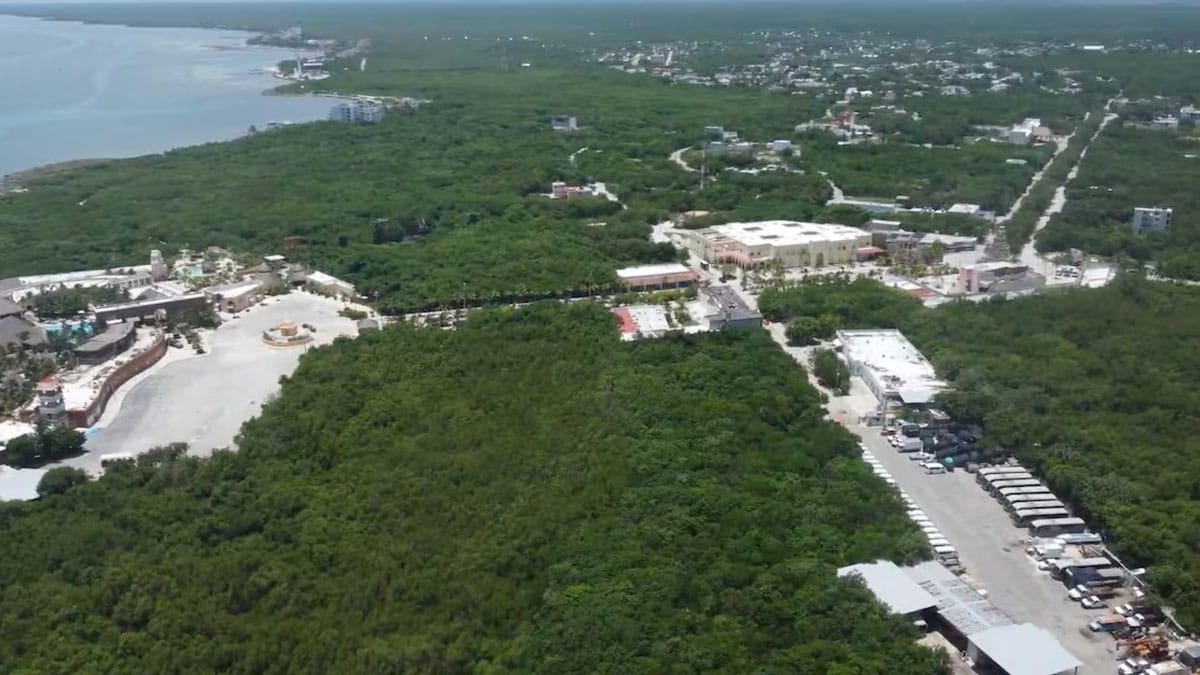
But other Mahahual locals were going to make their living on port operations, construction work, vendor concessions, and the downstream spend of thousands of cruise guests a day. Mahahual already lives off cruise traffic from the existing Costa Maya pier — the village exists in its current form because of cruise ships. The question was never whether tourism happens there. It was whether the next $821 million of it happens to them, or to somewhere else.
That choice belongs to Mahahual. It got made in Mexico City.
Royal will be fine. Mahahual won't get a sequel.
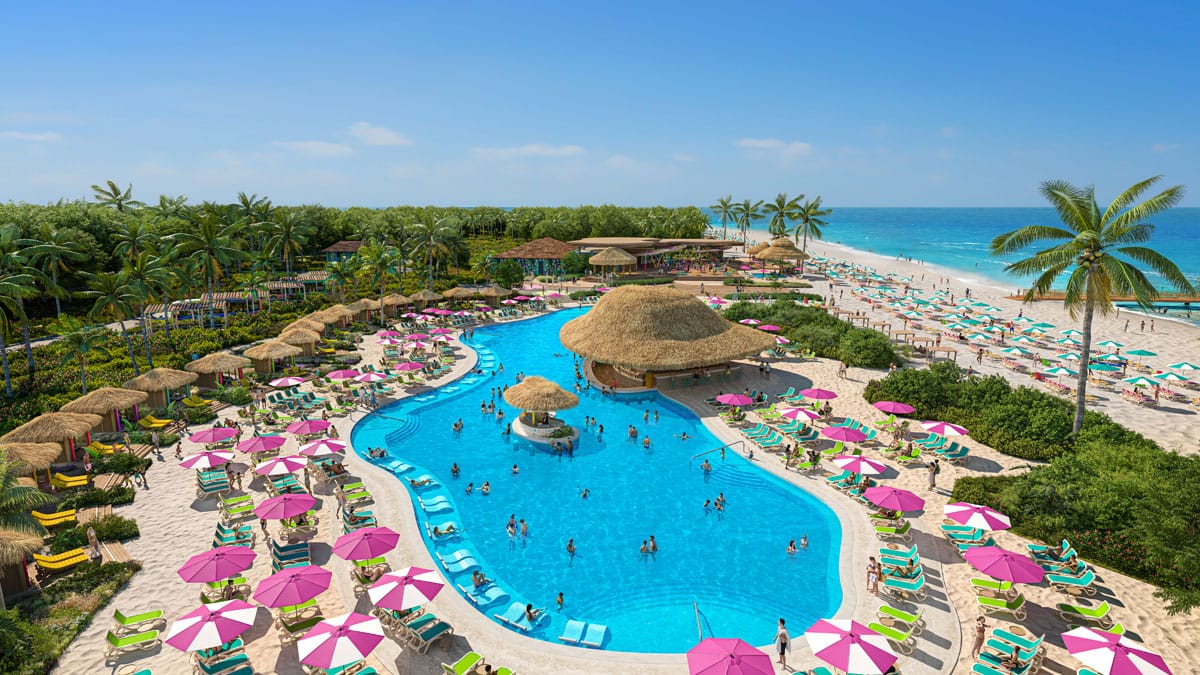
Royal Caribbean will absorb this. Perfect Day at CocoCay is already printing per-guest revenue numbers that make Wall Street weep with joy, and there are other Caribbean governments who will happily host the sequel. Royal's official line — that it "respects the decision" and remains "optimistic" about advancing the investment "responsibly" — is corporate for "we'll go build it somewhere else."
Mahahual doesn't get a sequel. The construction jobs, the port jobs, the vendor concessions, the everyday spend from a daily ship's worth of guests with money in their pockets — none of that relocates to a new Mahahual project next year. It relocates to whichever island Royal picks instead. The villagers go back to whatever they were doing before being asked to imagine an $821 million future, and then having it withdrawn on their behalf.
The precedent that travels
Here's the bit that matters beyond this story: a major Caribbean government just told the cruise industry no, on environmental grounds, after a public pressure campaign. That hasn't really happened at this scale before. The Perfect Day model — buy the destination, control everything, capture every dollar onshore — has had a frictionless run since CocoCay opened. It just hit friction.
I'd bet Royal redirects, and fast. I'd bet harder that the next government selling them a coastline will think more carefully about the politics first. And I'd bet hardest of all that nobody asks the 3,000 people in Mahahual which future they would have chosen.
If you've been off the ship at Costa Maya — would you take the construction jobs and live with a 230-acre waterpark in your backyard, or would you side with the reef? Genuinely curious where this lands for people who've actually walked Mahahual.


