


Royal Caribbean Group carried 9,446,010 passengers in 2025 and turned a net profit of about $452 on each one. That's the figure that falls out of the company's full-year results, reported January 29, and it answers a question newcomers ask all the time: does a cruise line actually make money on me, or is the headline fare just bait?
The short version: they make money. But not where you might think.
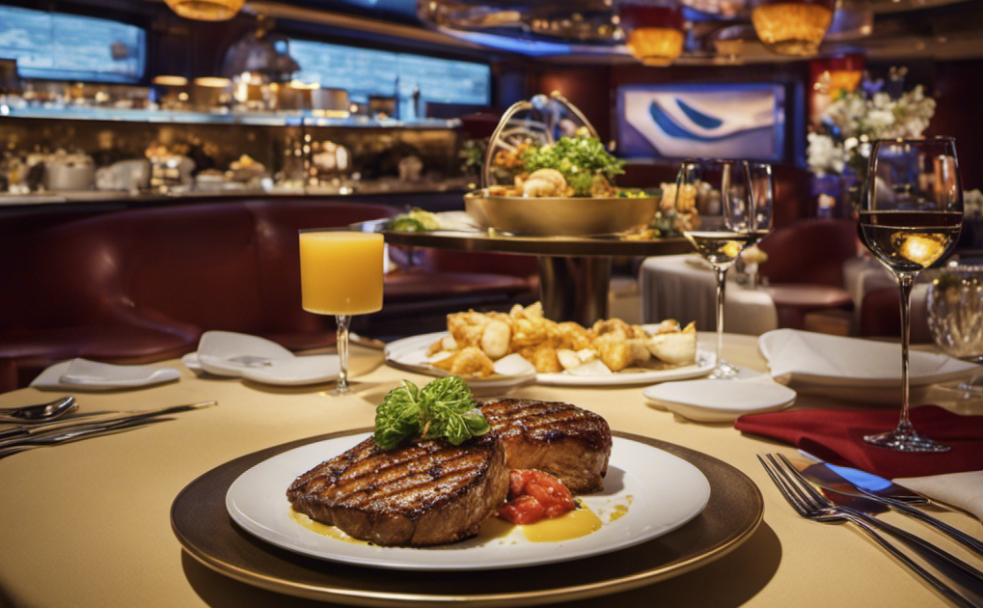
According to Royal Caribbean's earnings release, total revenue hit $17.9 billion. Of that, $12.5 billion came from passenger tickets and $5.4 billion from "onboard and other" revenue — the drinks, specialty dining, shore excursions, spa visits, casino, and Wi-Fi packages you buy once you're aboard. Spread across all passengers, that works out to roughly $1,325 per person in ticket revenue and $574 in onboard spending.
Net income attributable to the company was $4.27 billion, or about $452 per passenger after every cost is accounted for.
Here's the part worth understanding. That $574 in onboard spending is small next to the ticket price, but it punches well above its weight on the profit side. Tickets carry heavy, unavoidable costs baked in — fuel, crew payroll, food, port fees, the commission paid to your travel agent. The extras don't carry nearly the same baggage. A cocktail or a Wi-Fi package costs the line very little to deliver relative to what it charges, which is why cruise companies design so much of the onboard experience around getting you to spend once you're sailing.

Royal Caribbean is open about how central this is. The company noted that nearly half of its onboard revenue in 2025 was booked before guests even set foot on the ship — through drink packages, excursions, and dining reservations sold in advance, mostly through its app.
A caveat worth being honest about: you can't cleanly split the books into "profit from tickets" versus "profit from extras." The big cost lines — $1.4 billion in payroll, roughly $1 billion in food — pay for both the cruise your ticket buys and the upcharge dinner you book on top. The chef cooking your included dinner is the same chef behind the specialty restaurant. Anyone claiming a precise per-ticket profit or loss is making assumptions the financial statements don't actually support.
What the numbers do show plainly: the business runs on volume and on getting guests to open their wallets onboard. Occupancy ran at 109.7% for the year (cruise math — more than two people in some cabins pushes it past 100%), and the company has said about two-thirds of 2026 sailings are already booked.
So when that cruise fare looks suspiciously cheap, it usually is — the ship is counting on the rest.
Source: Royal Caribbean Group 2025 results, reported January 29, 2026.


